
Building permits in the Keys
In the Keys, almost any work beyond paint and flooring needs a building permit. Which office issues it depends on the town, and because most Keys houses sit in a flood zone, extra flood rules apply that can turn a big renovation into raising the house.
Last checked November 2026. Rules, fees and phone numbers change. Call the building department for the house's town before you start work or count on doing it.
Who issues permits
Each city and village in the Keys runs its own building department. Everywhere else is Monroe County.
| Where the house is | Building department | Apply online |
|---|---|---|
| Unincorporated Monroe CountyBig Pine, Summerland, Cudjoe, Sugarloaf, Ramrod, Stock Island, Duck Key, Tavernier, Key Largo and more | Key West 305-294-4641 · Marathon 305-289-2501 · Key Largo 305-453-8800 · Big Pine 305-289-2877 · Stock Island 305-295-3990Offices open 8:30 a.m. to 3 p.m. | Online Permitting ServicesRegister first; paper applications aren't accepted |
| City of Key West | 1300 White St · 305-809-3956 | eTRAKiT, from the Building Department page |
| City of MarathonIncluding Grassy Key | 305-289-5052 · inspections 305-289-4133 | OpenGov portal |
| Islamorada | 86800 Overseas Hwy · 305-664-6400 | CityView portalApplications only accepted online |
| Key Colony Beach | 600 W Ocean Dr · 305-289-1212 ext. 3 | Citizenserve, from the city page |
| City of Layton | 305-664-4667 | Call city hall; we couldn't find an online portal. |
Not sure which applies? Each house page on our map shows its tax area, which follows the same town lines.
What needs a permit
Florida law makes it unlawful to build, alter, repair or demolish a building without a permit unless the law says otherwise. In practice, plan on a permit for:
Almost always a permit
- Roofing and re-roofing (Islamorada: anything over one roofing square, 100 sq ft)
- Windows, doors, shutters and other storm protection
- Air conditioning replacements, ductwork and fans
- Water heater changeouts and repiping
- Electrical wiring, lighting and service panels
- Solar panels and batteries
- Structural work, additions, decks and sheds
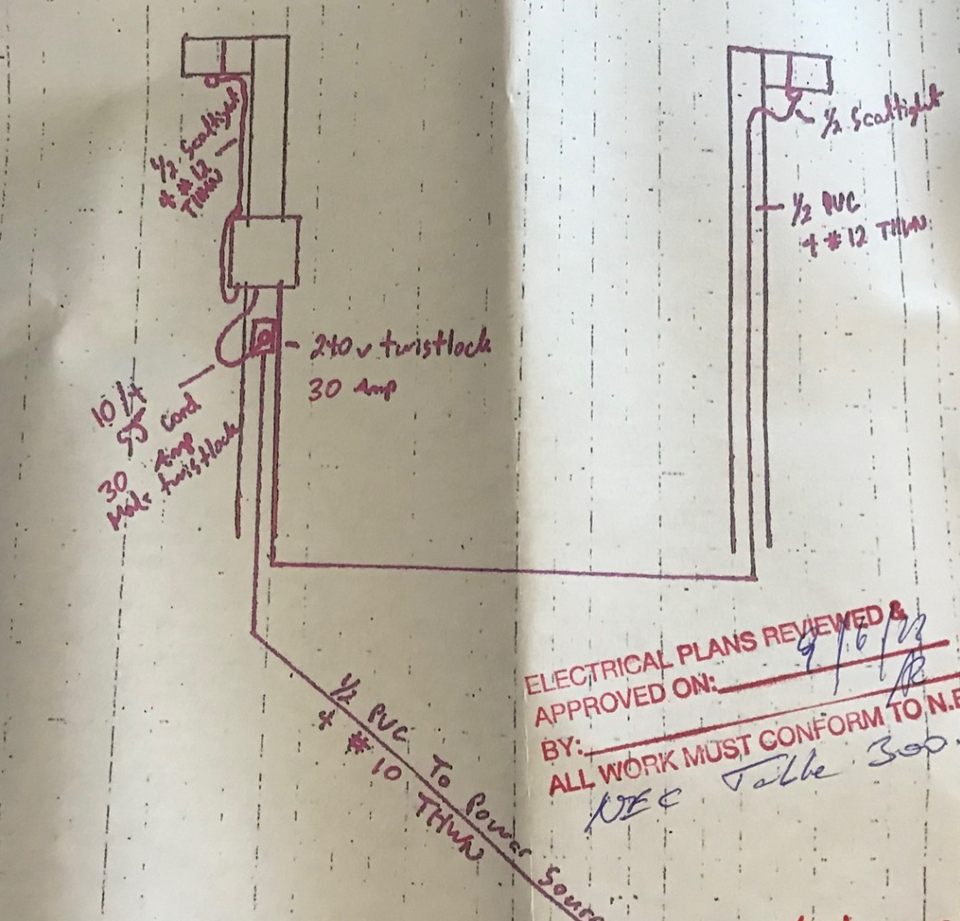
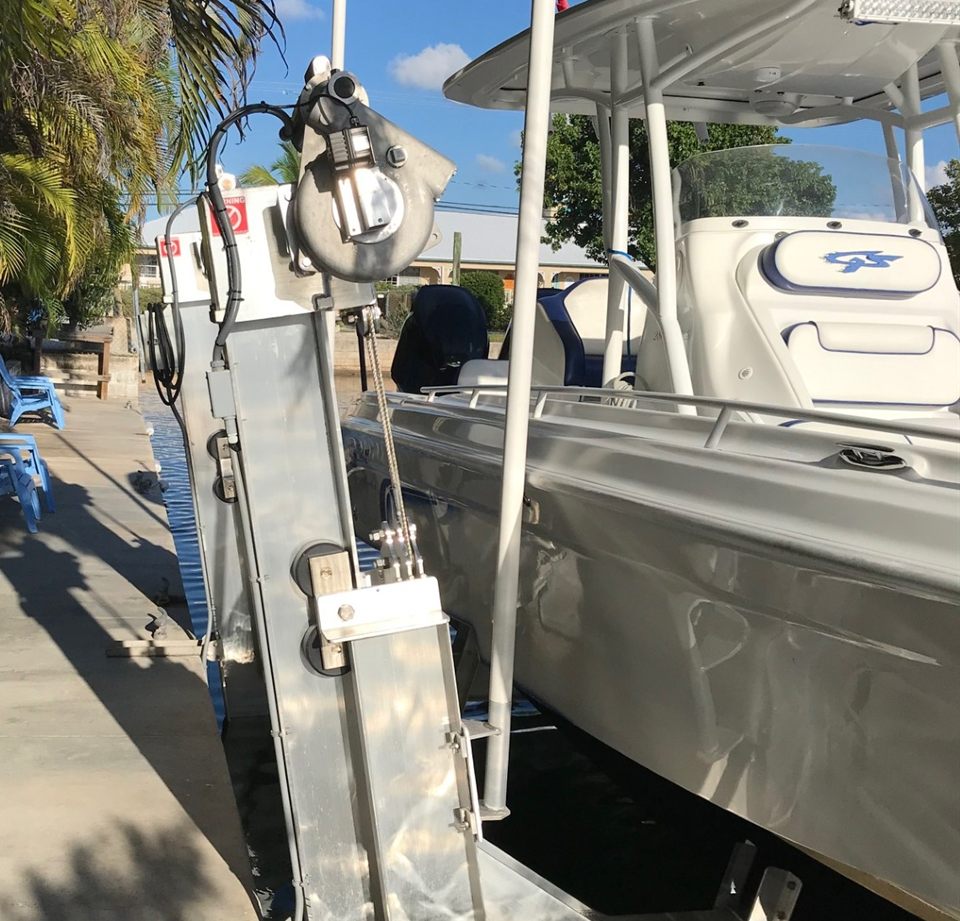
- Fences, docks, boat lifts and davits, seawalls and pools
- Demolition, fill, excavation and clearing land
- Anything touching flood rules, such as work under a raised house
Usually no permit
- Painting
- Carpet, tile and other floor coverings
- Normal maintenance that doesn't change a part's size, capacity or type
- Small satellite dishes (up to one meter)
- Roof repairs under 100 sq ft (Islamorada)
The lists above combine Islamorada's official list with the kinds of work Florida's permit law names. Other towns' lists differ in the details, so ask before you start.
Florida's $7,500 exemption, and why most Keys houses can't use it
Since July 1, 2026, Florida law lets the owner of a single-family house skip the permit for work valued under $7,500. But it doesn't apply to:
- Any property partly or entirely in a flood hazard area. That's FEMA zones A and V, which cover most of the Keys.
- Electrical, plumbing, structural, mechanical or gas work, at any value.
A project can't be split into smaller jobs to get under $7,500, and you still have to send the building department a written request with the contract or other proof of what the work is and what it costs. So in practice the exemption covers small cosmetic or exterior jobs on the minority of Keys houses in zone X. Each house page on our map shows its FEMA zone.
The 50% rule: when a renovation means raising the house
This is the rule that matters most when you buy an older, ground-level Keys house. If the cost of improvements or repairs reaches 50% of the market value of the building (not the land), the work counts as a "substantial improvement," and the house must be brought up to today's flood rules. For most ground-level houses that means raising the living floor to the flood level or above, or tearing down and rebuilding.
- Small jobs add up. Key West counts all work on a building within a one-year period; the county advises asking the building official how much of the 50% has already been used in the past few years.
- Market value of the structure is usually based on the property appraiser's building value. Key West, for example, uses the appraiser's improvement value plus 15%.
- Storm damage counts too. If repairing damage would cost 50% or more of the building's value before the storm, the same rule applies ("substantial damage").
- What doesn't count in Key West: patios, driveways, pools, irrigation and fences that aren't attached to the house.
Before you buy a house you plan to renovate, ask the building department for its building value and how much work has been permitted recently. A renovation budget near half the building's value can turn into an elevation project. How floor height and flood levels work.
Space under a raised house
Enclosed space below the flood level may be used only for parking, building access and limited storage. Monroe County says limited storage does not include household furnishings, workbenches, freezers or refrigerators, and that finished space down there may lead to enforcement. The county also has a non-conversion agreement for downstairs enclosures, a promise not to turn the space into living area. If a listing shows a downstairs bedroom or apartment, ask whether it was permitted.
How to get a permit
- Find the right department from the table above.
- Hire a Florida-licensed contractor, who usually pulls the permit. Check the license with the Florida Department of Business and Professional Regulation before you sign.
- Or pull it yourself as an owner-builder. Florida allows this for your own house, but you must appear in person, sign the application and a disclosure statement, and take legal and financial responsibility for the work. Monroe County requires the owner-builder to be there for every inspection.
- Apply online with plans and documents. Florida law now requires a decision within 5 business days for a complete application on an existing single-family house when the work is under $15,000, for permits such as roofing, electrical, plumbing, mechanical, gas and structural.
- Record a Notice of Commencement when the job is over $5,000 (or $15,000 for replacing an air conditioning system), before the first inspection. Monroe County and Islamorada both use those thresholds.
- Pass the inspections and get a final. Under state law since July 1, 2026, a permit for a single-family house lasts at least a year from when it's issued; ask your department about extensions, since some pages still show older rules.
Starting work before the permit is issued usually means an "after the fact" permit with extra fees, and an inspector may make you open finished walls to check the work.
Before you buy: check the permits
Unpermitted work stays with the house. Monroe County warns that after you buy, you may be required to fix it at your own expense. Before closing:
- Unincorporated Monroe County: search the county's online permitting system by parcel for permits since October 2022, and MCeSearch for permits from 1987 to September 2022 and code cases.
- Marathon: the OpenGov portal shows open and expired permits.
- Islamorada, Key West and Key Colony Beach: use their permit portals or call the building department.
- Look for open or expired permits. A permit that was never finished can hold up a sale or become the buyer's job to close.
- Compare with what you see. A new roof, new windows, an enclosed downstairs or an added room should each have a permit.
Each house page on our map links to the house's county record, which has the parcel number the permit searches use.
Sources
- Florida Legislature, CS/CS/HB 803 (2026), Chapter 2026-63, Laws of Florida: the $7,500 exemption and its limits (s. 553.79(1)(g)), single-family permit expiration (s. 553.79(1)(c)) and permit decision timeframes (s. 553.792). Effective July 1, 2026.
- Florida Statutes s. 489.103(7): owner-builder permits.
- Monroe County Building Department, permit and inspection information and Online Permitting Services.
- Islamorada permit submittal chart, which lists a separate Boat Lift / Davit permit, and Monroe County's inspection codes for boat lifts, davits and boat lift electric.
- Monroe County floodplain information and Know Your Flood Risk: substantial improvement, downstairs enclosures and permit history.
- City of Key West, substantial improvement FAQ and Building Department.
- Islamorada Building Services and its list of work that does and doesn't need a permit.
- City of Marathon Building Department; City of Key Colony Beach Building Department; City of Layton.